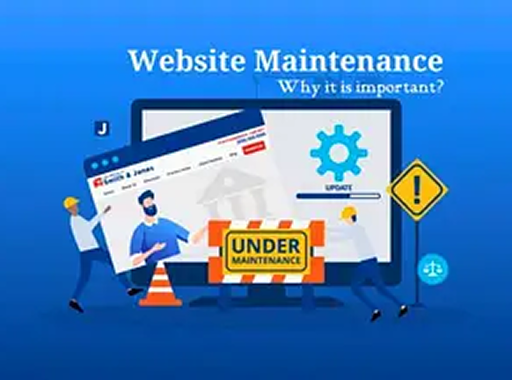
If you’re new to building a website, you might wonder: does hosting include making website updates as needed? The short answer is no—but let’s break it down so you can clearly understand what you get with hosting, and what counts as extra services.
What Hosting Actually Covers
When you buy hosting, you’re essentially renting server space so your website can be available on the internet. Most hosting plans include:
- Server space to store your site’s files.
- Bandwidth and uptime so visitors can access your website.
- Security features such as SSL certificates and firewalls.
- Technical support for hosting-related issues (like downtime or server errors).
- Backups and monitoring (depending on your plan).
👉 Think of hosting like renting land for a house. You get the land and utilities, but you still have to build, decorate, and maintain the house yourself.
What “Website Updates” Mean
When people ask about updates, they often mean tasks such as:
- Adding or editing text and images.
- Creating new service or blog pages.
- Changing design elements or layouts.
- Installing or configuring plugins and features.
- Keeping WordPress, themes, and plugins up to date.
- Fixing broken links, errors, or bugs.
These updates fall under website maintenance or management, not hosting.
When Updates Might Be Included
Some companies sell “managed hosting” or website care plans. These may include:
- Automatic updates of WordPress, plugins, and themes.
- Security monitoring and malware protection.
- Performance optimization.
- Priority technical support.
However, even with managed hosting, content updates (like changing your About page or adding a new service) are usually not included unless you purchase a maintenance package or hire a developer.
Hosting vs. Maintenance: The Key Difference
- Hosting = the foundation. It keeps your site online and secure.
- Maintenance = the upkeep. It ensures your site is updated, functional, and evolving with your business needs.
Both are essential, but they’re separate services.
Final Thoughts
If you’re planning a new website, remember this: hosting keeps your site online, but it doesn’t update your site for you. To keep your website fresh, secure, and optimized, you’ll either need to:
- Handle updates yourself, or
- Invest in a website maintenance plan.
This way, your hosting provider takes care of the servers, while you (or your web team) take care of the website itself.